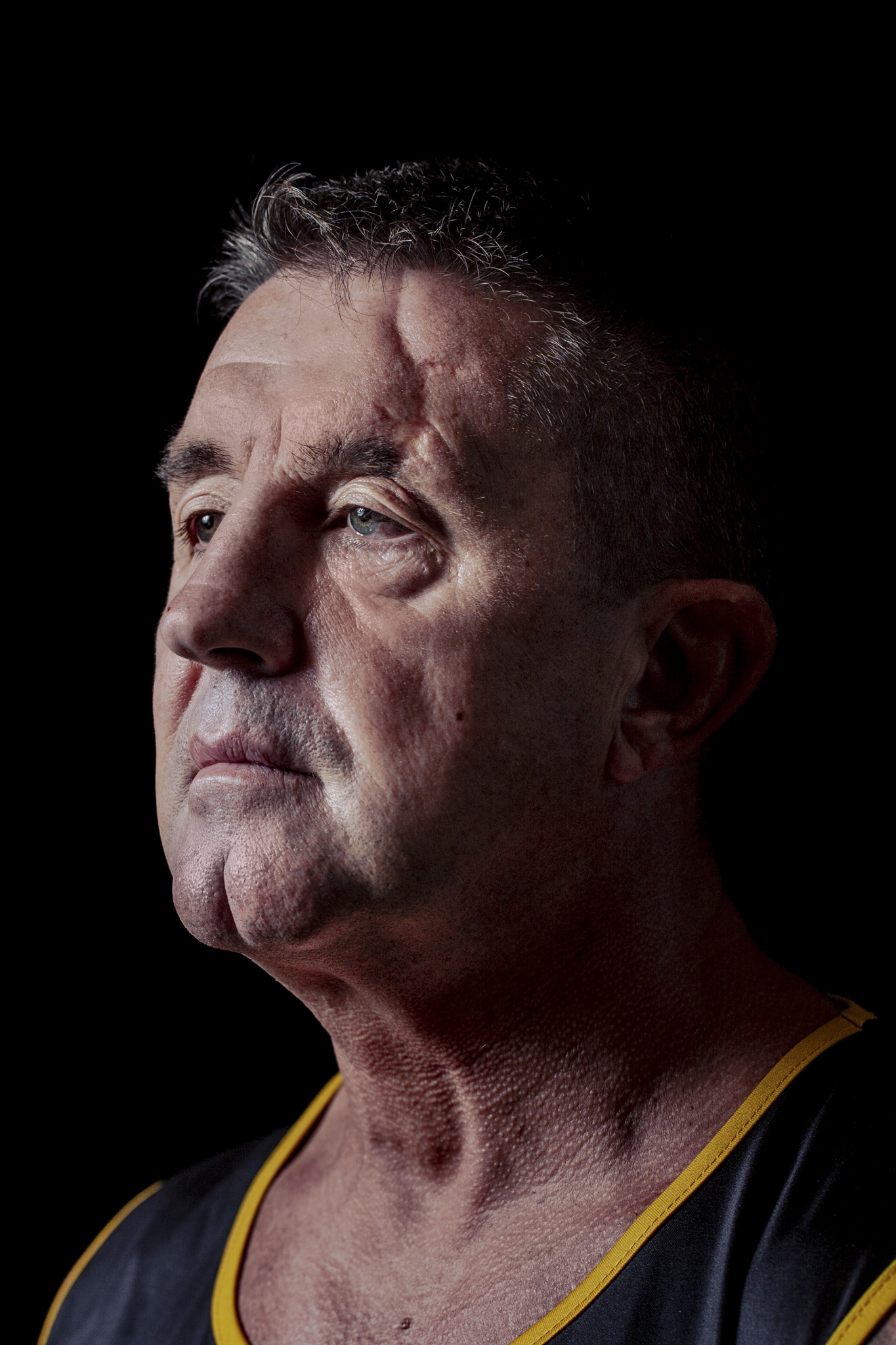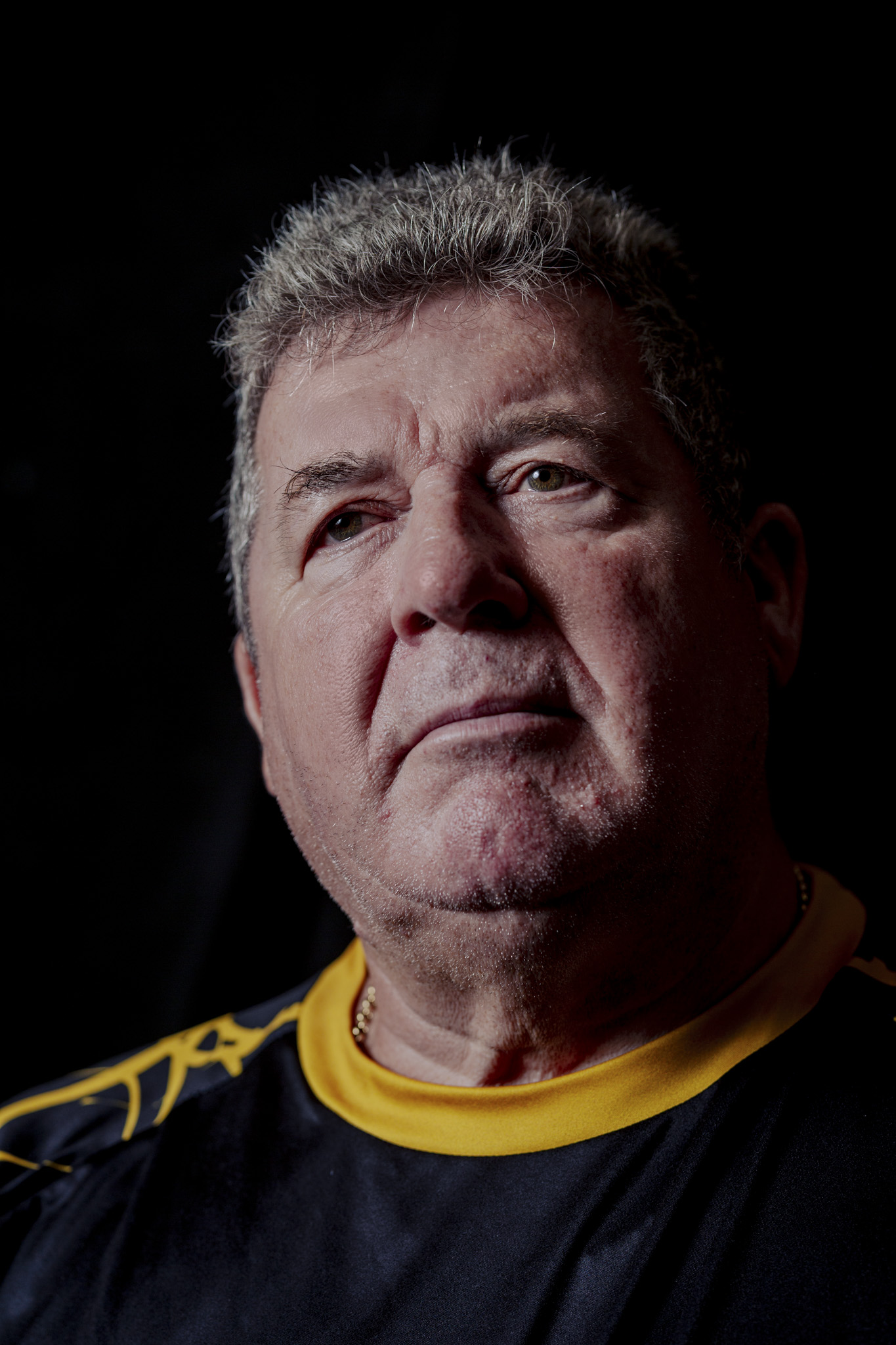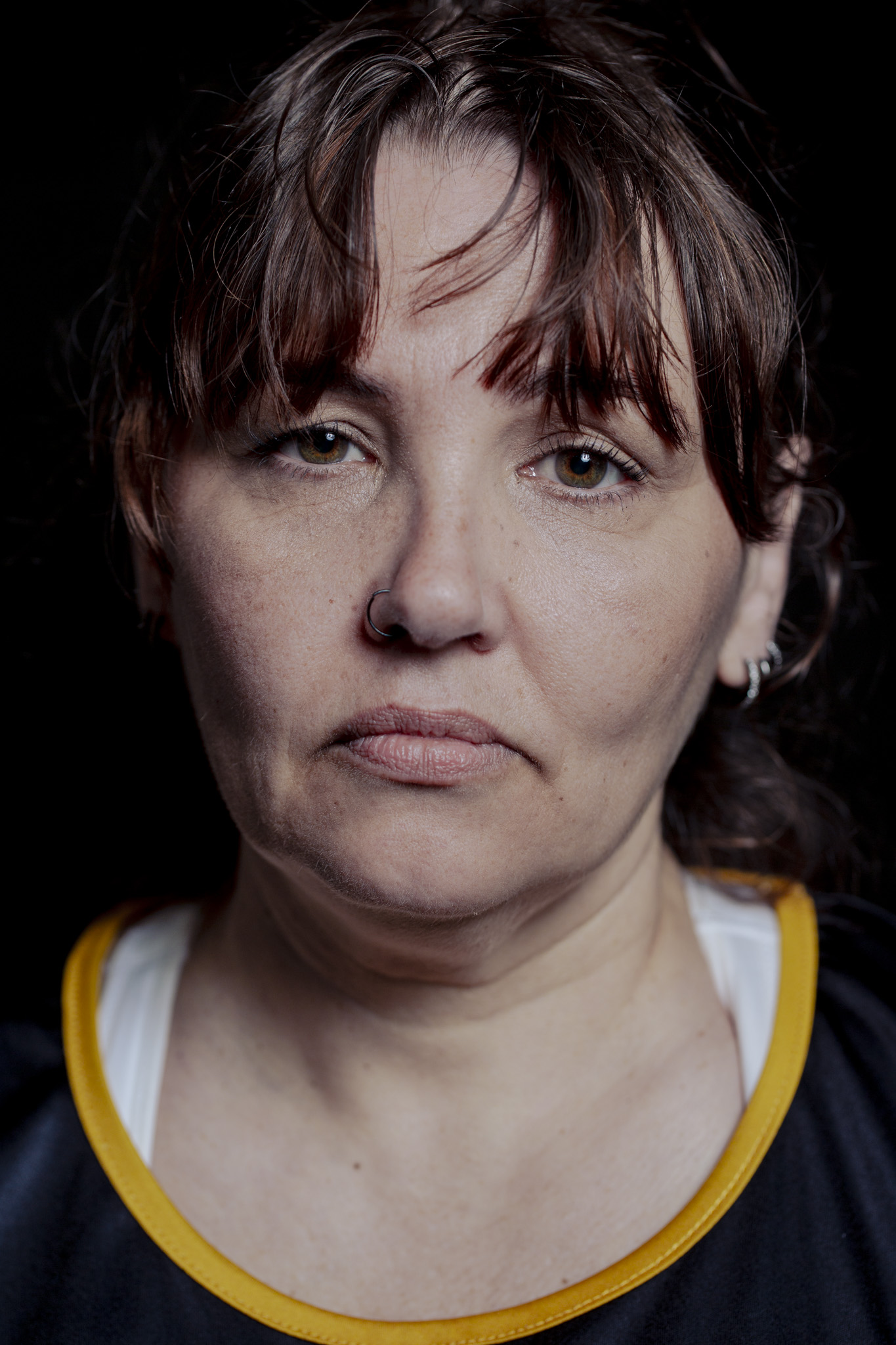
For the Love of the Game
A portrait project focused on concussion in sport
For the Love of the Game

Works from this project were entered to Royal Photographic Society and shortlisted for the IPE 167.
For the Love of the Game is a portrait project focused on concussion in sport partnering with Sam Peters, an award-winning author and former journalist, who spearheaded the Mail on Sunday’s acclaimed concussion in rugby campaign.
The benefits of sport are myriad, from health and fitness to teamwork and communication. However sports related concussions are a significant health concern; since rugby union went professional run 1996, concussion has increased more than 600%. Immediate dangers of concussion are severe brain swelling and traumatic brain injury (TBI) while short term effects include headaches, confusion, and amnesia with longer term effects being worse cognitive function later in life and chronic traumatic encephalopathy (CTE).
The aim of the project is to promote awareness and education of the risks of concussion, encourage better paths to recovery and the safe return to play protocols, especially in children whose brains are still developing and who are more vulnerable to injury.
Some, but by no means all, of those featured in the project have been diagnosed with neurodegenerative problems, while it remains unclear how much playing contact sport contributed to those who have.


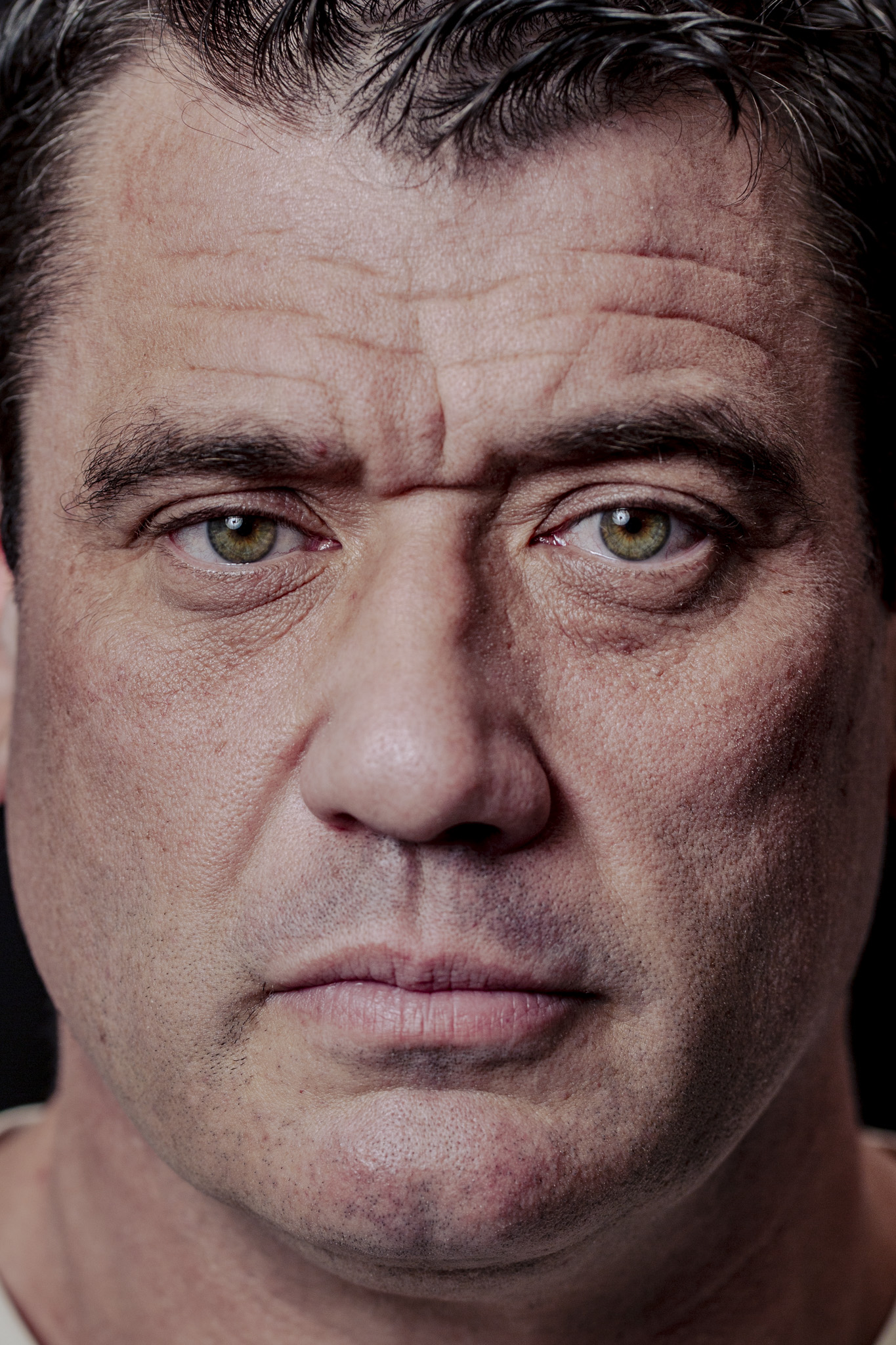


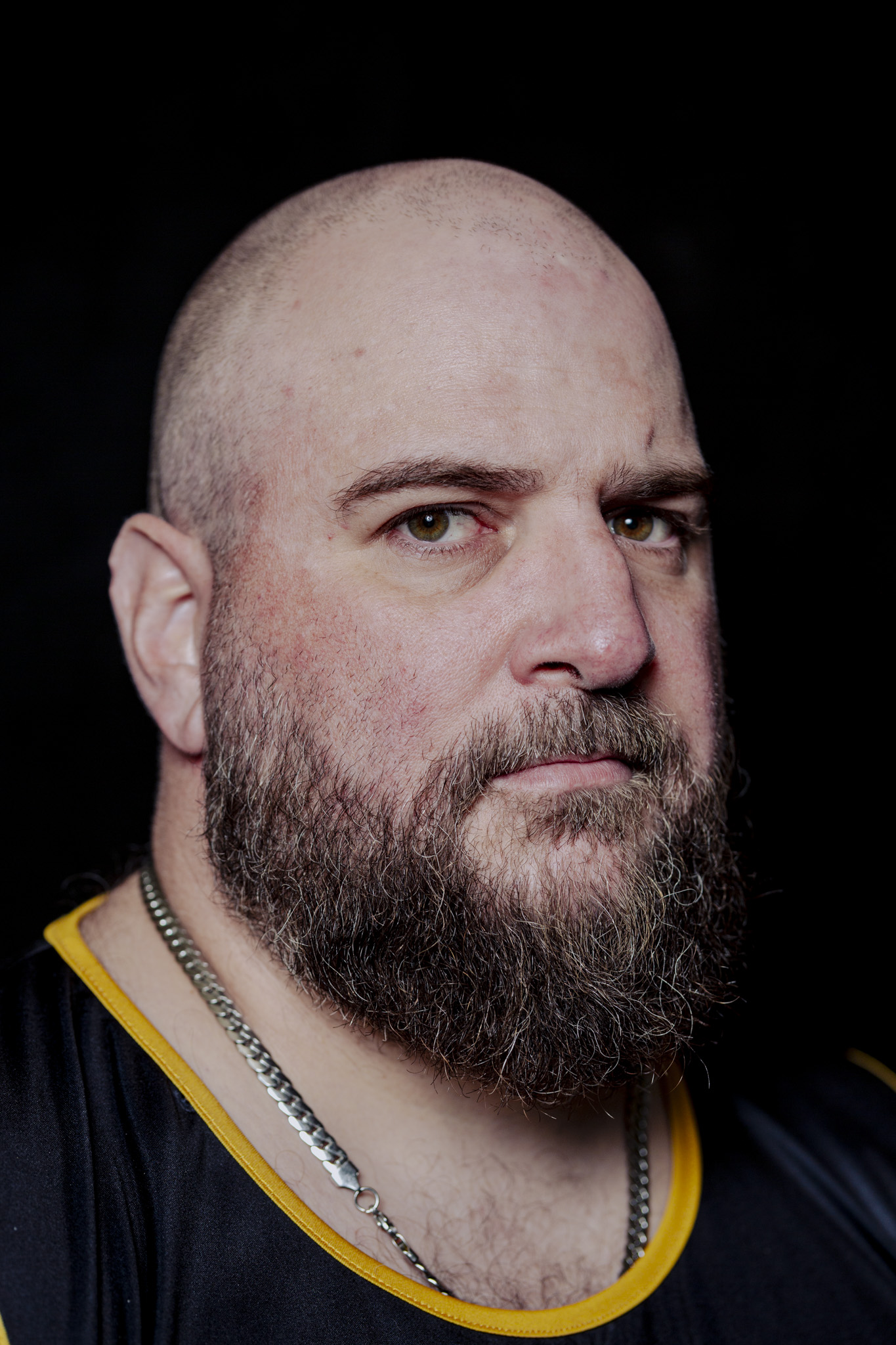


Concussion in sport

Why For the Love of the Game?
Andy’s interest in concussion and bringing the risks to a wider public comes from his potential double risk of exposure to concussion.
Andy started playing full contact rugby when he was eight years old. He played at school, at university, and when he joined the British Army, earning his half colours when he attended the Royal Military Academy, Sandhurst. His playing career came to an end not long after earning his commission when he dislocated his shoulder twice in a short space of time during a single match.
In addition to the risk of suffering concussion through sport, Andy served in the Royal Artillery. Artillery fire is known to cause high pressure blast waves which themselves cause mild-to-moderate traumatic brain injury (TBI) known as blast-induced TBI or subconcussive brain trauma, even without a direct blow to the head.